

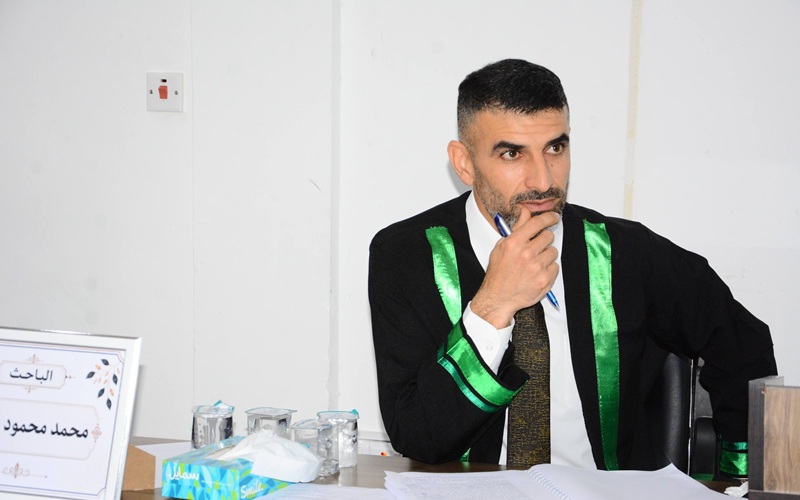
The College of Agriculture discussed a PhD dissertation titled “Detection of Sources of Escherichia coli (E. coli) Contamination and Resistance Genes in Certain Poultry Meat Cuts Across Two Seasons and Different Regions” submitted by the student Mohammed Mahmoud Mohammed.
The dissertation aimed to identify coliform bacteria on poultry carcass surfaces and slaughtered poultry in Sulaymaniyah slaughterhouses using culture methods and the VITEK 2 system. It also included genotyping of E. coli isolates using Polymerase Chain Reaction (PCR) targeting virulence genes, including stx1, stx2, and eae in both O157 and non-O157 serotypes.
The dissertation concluded that poultry carcasses were contaminated with coliform bacteria due to non-compliance with public health regulations in local slaughterhouses. It also found that poultry meat contamination increases during the summer season and that microbial resistance to antibiotics has risen as a result of the improper use of these substances.