University of Kirkuk · College of Media
Department of Journalism
Explore the department’s mission, administration, academic staff, curriculum and student services.
About the Department
An academic and professional program in journalism at the College of Media, University of Kirkuk
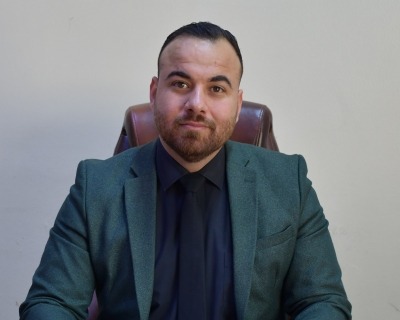
Welcome Message from the Head of Department
“Welcome to the Department of Journalism.”
On behalf of our department, I welcome you to an academic institution committed to preparing distinguished media professionals with the awareness and vision needed to contribute to a more informed and developed society.
We believe that media is a mission before it is a profession. Accordingly, we strive to develop students’ abilities and provide the knowledge and practical experience they need to become leaders in their fields. Throughout their journeys of learning and creativity, we believe that their imagination and initiative will make them ambassadors of truthful reporting, professional integrity, positive change and the voice of truth.
We wish you an educational experience full of challenges, achievement and success. With best regards.
Dr. Ahmed Hatem Mohammed
Head of the Journalism Department
Department Overview
The Journalism Department was established for the academic year 2024–2025 under the Ministry of Higher Education and Scientific Research administrative order No. TM 3/6894, dated 25 July 2024. The department admits graduates of the scientific and literary secondary-school branches. Media professionals with at least five years of actual experience may also apply through the designated channel subject to the stated vocational qualifications. The four-year program awards a Bachelor’s degree in Media equivalent to corresponding degrees offered by Iraqi public universities.
Vision
To produce highly skilled and competent media professionals who meet local and national labour-market needs, keep pace with scientific and technological developments in media, and contribute to society.
Mission
To deliver academic and specialist learning effectively and develop modern scientific and media skills that encourage creativity and excellence.
- Prepare academically and professionally qualified graduates who understand journalistic practice, professional duties and research methodology.
- Support faculty and students in producing scientific research based on contemporary methodologies and applying it to societal needs.
- Offer specialist consultation to communities and public institutions.
Department Objectives
- Train students in the foundations of journalistic writing.
- Train students in contemporary journalistic practices, including editing, digital photography, design, management and planning.
- Teach professional journalism ethics and standards.
- Develop research skills that enable students to conduct scholarly studies in journalism.
- Equip students with computer applications, modern software, communication technologies and information technology skills.
- Strengthen students’ national, professional, legal and ethical awareness so journalism serves society and its concerns.
- Enable students to undertake news gathering, editing, design and journalistic publishing.
- Supply institutions with media professionals who have confidence and appropriate specialist expertise.
- Graduate journalism professionals equipped with media technologies and specialist experience to produce content for different institutions.
- Promote freedom of expression and respect for human rights, society, and public and personal freedoms as foundations of independent journalism.
- Strengthen scientific research and logical, systematic thinking among young journalists through an integrated academic approach.
Department Administration & Scientific Committees
Governance, council membership and departmental responsibilities
Department Council
The senior body responsible for the Journalism Department’s affairs.
Department Council Responsibilities
- Recommend the recruitment of teaching staff and lecturers and invite visiting media professionals as required.
- Form scientific, examination and educational committees in accordance with departmental needs.
- Implement decisions referred by the University Council or College Council.
- Discuss curricula and syllabi, monitor academic developments and guide staff in updating courses.
- Evaluate teaching performance and propose professional development plans for academic and administrative staff.
- Follow students’ academic and educational affairs across all study stages.
1. Head of Department: Responsibilities
- Implement the university’s higher-level goals and policies and the College Council’s decisions concerning the department.
- Supervise the department’s strategic plan and follow up its administrative, academic, research and cultural implementation.
- Carry out assigned teaching duties, monitor student attendance and supervise examinations.
- Strengthen cooperation within and outside the university and provide educational and research requirements.
- Refer research to scientific committees for review and promotion purposes and propose relevant academic experts.
- Allocate courses to teaching staff, prepare class and examination timetables, and submit them to the dean’s office.
- Meet male and female students at least once per semester to identify their needs and concerns.
- Prepare staff performance evaluation reports and submit them to the Dean of the College.
- Oversee academic guidance, student allocation and course equivalency procedures for transferred students.
- Chair the scientific committee and issue necessary departmental administrative orders after obtaining the dean’s approval.
2. Department Secretary: Responsibilities
- Deputize for the Head of Department within delegated powers and supervise departmental organization.
- Implement and follow up decisions of the Department Council and Head of Department when needed.
- Assist in preparing semester and annual scientific reports and monitoring students’ academic affairs.
- Assist in distributing teaching duties, preparing timetables and examination schedules, and calculating teaching loads and lecture payments.
- Monitor compliance with university regulations, including dress requirements and permitted absences, and forward recommendations.
3. Examination Committee: Responsibilities
- Apply examination regulations and instructions issued by the ministry, university, college and central examination committee.
- Organize examination halls and student allocations and accurately prepare records of failures, absences, progression and deferrals.
- Receive coursework marks and examination papers, distribute and collect answer booklets, and verify official college seals.
- Apply anonymous examination numbering and organize specialist marking and verification committees.
- Record and secure grades electronically and submit final results for the Dean’s approval before publication.
- Accept and review student appeals within a maximum of five days and recommend legal procedures in cases of examination misconduct.
4. Scientific Committee: Responsibilities
- Consider teaching staff proposals concerning curriculum amendments and approve detailed course topics.
- Monitor scientific activity and research output across the department.
- Organize development courses and nominate staff for external training, conferences and workshops.
- Review prescribed textbooks and recommend updates reflecting scientific and media developments.
Journalism Department Faculty
A searchable directory of 15 faculty members, as listed in the supplied Arabic page
| No. | Full Name | Academic Rank | General Field | Master’s Specialization | Doctoral Specialization | Position |
|---|---|---|---|---|---|---|
| 1 | Maad Assi Ali Mohammedمعد عاصي علي محمد | Professor (PhD) | Media | Media | PhD in Radio and Television Journalism | Dean of the College of Media |
| 2 | Mohammed Khalaf Daham Akla Al-Jubouriمحمد خلف دهام عكلة الجبوري | Associate Professor (PhD) | Arabic Language | Arabic Literature – Rhetoric | Arabic Literature – Rhetoric | Assistant Dean for Scientific Affairs |
| 3 | Zilal Mahdi Saleh Mohammed Al-Jubouriظلال مهدي صالح محمد الجبوري | Professor (PhD) | Islamic Philosophy | Islamic Jurisprudence and its Principles | Islamic Jurisprudence and its Principles | Head of the Women’s Affairs Unit and Promotions Unit |
| 4 | Abdulrazzaq Abdullah Saeed Tarchعبد الرزاق عبدالله سعيد طرخ | Associate Professor (PhD) | Criminal Sociology | Criminal Sociology | Not provided | Technology Incubator and Ecosystem Unit |
| 5 | Alaa Jamal Fareeq Jabbariعلاء جمال فريق جباري | Associate Professor (PhD) | Media | Journalism | Not provided | None listed |
| 6 | Ahmed Hatem Mohammed Mahmoud Al-Qaisiأحمد حاتم محمد محمود القيسي | Lecturer (PhD) | Media | Media | PhD in Journalism | Head of the Journalism Department |
| 7 | Shaalan Jasim Mohammed Ahmed Al-Mufrajiشعلان جاسم محمد أحمد المفرجي | Lecturer (PhD) | Arabic Language | Arabic Language | Linguistics | Journalism Department Secretary |
| 8 | Muthana Yaseen Nawafمثنى ياسين نواف | Lecturer (PhD) | Computer Science | Information Technology | Information Technology | Head of the Computer and Internet Services Division |
| 9 | Fatima Salem Zainal Mohammedفاطمة سالم زينل محمد | Lecturer (PhD) | Turkish Language | Turkish Literature | Not provided | None listed |
| 10 | Mohammed Shihab Ahmed Saleh Al-Jubouriمحمد شهاب أحمد صالح الجبوري | Lecturer (PhD) | Computer Science | IT Data Management | Not provided | None listed |
| 11 | Louay Zaid Saadallah Hindiلؤي زيد سعدالله هندي | Assistant Lecturer | Islamic Studies | Comparative Religion | None listed | None listed |
| 12 | Yahya Ahmed Mohammedيحيى أحمد محمد | Assistant Lecturer | Not provided | Not provided | Not provided | Not provided |
| 13 | Osama Ibrahim Abbas Khalafأسامة إبراهيم عباس خلف | Assistant Lecturer | Islamic Studies | Hadith Studies | None listed | Acting Head of the Stores Unit |
| 14 | Montaser Youssef Mahmoud Hassan Al-Azziمنتصر يوسف محمود حسن العزي | Assistant Lecturer | Media | Journalism and Media | None listed | Director of the Media Division / University of Kirkuk |
| 15 | Sahib Qalandar Khudr Al-Bayatiصاحب قلندر خضر البياتي | Assistant Lecturer | English Language | English Language | None listed | None listed |
English transliterations are provided for convenience; Arabic names are included beneath them for identification. Verify official English spellings with personnel records before final publication.
No matching faculty members found.
Curriculum & Study Plan
Four-year program structure, existing course tables and the gradual transition to the Bologna Process
Study System & Duration
Duration: four academic years. The Bologna Process is currently implemented for the first-year cohort, while current second-, third- and fourth-year students follow the previously approved annual system pending the gradual transition.
Language & Curriculum
Instruction is primarily in Arabic, with English taught as a dedicated course. Curricula align with comparable programs at Iraqi public universities.
Assessment & Examinations — Annual-System Cohorts
For the current higher-stage annual-system cohorts, continuous assessment accounts for 40% (20% per semester) and the final examination accounts for 60% (40% theoretical and 20% practical), as stated in the Arabic source. A graduation project is also required. These percentages should not be applied automatically to Bologna courses.
Bologna Process — First-Year Cohort
The department is implementing Bologna gradually, starting with the first year. Its semester-based curriculum and ECTS credits are separate from the annual-system reference tables below.
Currently applies to Stage I cohortThe current published Bologna page is in Arabic.
View Bologna Plan (Arabic)Study Stages — Published Reference Course Tables
The tables below reproduce the earlier course-hour and unit figures in the Arabic departmental source. They are not a substitute for the approved Bologna ECTS tables.
| No. | Course | Weekly Hours | Units | ||
|---|---|---|---|---|---|
| Theory | Practical | Total Hours | |||
| 1 | Principles of Public Relations | 2 | 0 | 2 | 2 |
| 2 | Mass Communication and its Media | 2 | 0 | 2 | 2 |
| 3 | Journalistic Editing: News and News Reporting | 1 | 2 | 3 | 3 |
| 4 | Digital Photojournalism | 1 | 2 | 3 | 2 |
| 5 | History of Journalism | 2 | 0 | 2 | 2 |
| 6 | Media Language | 2 | 0 | 2 | 2 |
| 7 | Human Rights and Democracy | 2 | 0 | 2 | 2 |
| 8 | English Language | 2 | 0 | 2 | 2 |
| 9 | Computing | 1 | 2 | 3 | 2 |
| 10 | Digital Media Literacy | 1 | 2 | 3 | 3 |
| Total | 16 | 8 | 24 | 22 | |
| No. | Course | Weekly Hours | Units | ||
|---|---|---|---|---|---|
| Theory | Practical | Total Hours | |||
| 1 | Journalistic Editing: Interviews and Investigative Features | 2 | 2 | 4 | 3 |
| 2 | Media Research Methodologies | 2 | 0 | 2 | 2 |
| 3 | Theories of Mass Communication | 2 | 0 | 2 | 2 |
| 4 | Editing and Montage | 1 | 2 | 3 | 2 |
| 5 | Media Economics | 2 | 0 | 2 | 2 |
| 6 | Online Journalism | 1 | 2 | 3 | 2 |
| 7 | Digital Technologies and Computing | 1 | 2 | 3 | 2 |
| 8 | Media Language | 2 | 0 | 2 | 2 |
| 9 | English Language | 2 | 0 | 2 | 2 |
| Total | 15 | 8 | 23 | 19 | |
| No. | Course | Weekly Hours | Units | ||
|---|---|---|---|---|---|
| Theory | Practical | Total Hours | |||
| 1 | Journalistic Editing: Articles and Columns | 2 | 2 | 4 | 3 |
| 2 | Arab and International Journalism | 2 | 0 | 2 | 2 |
| 3 | Investigative Journalism | 2 | 2 | 4 | 3 |
| 4 | Media Legislation and Ethics | 2 | 0 | 2 | 2 |
| 5 | Public Opinion | 2 | 0 | 2 | 2 |
| 6 | Information Technology | 1 | 2 | 3 | 2 |
| 7 | Media Research and Statistical Applications | 2 | 0 | 2 | 2 |
| 8 | Language of Media Discourse | 2 | 0 | 2 | 2 |
| 9 | English Language | 2 | 0 | 2 | 2 |
| Total | 17 | 6 | 23 | 20 | |
| No. | Course | Weekly Hours | Units | ||
|---|---|---|---|---|---|
| Theory | Practical | Total Hours | |||
| 1 | Journalistic Editing: Specialized Journalism | 2 | 0 | 2 | 3 |
| 2 | Online Journalism | 2 | 0 | 2 | 2 |
| 3 | Print Advertising | 2 | 0 | 2 | 2 |
| 4 | Newspaper Layout and Design | 1 | 2 | 3 | 3 |
| 5 | Propaganda and Psychological Warfare | 2 | 0 | 2 | 2 |
| 6 | Management of Journalism Organizations | 2 | 0 | 2 | 2 |
| 7 | Applied Language Studies | 2 | 0 | 2 | 2 |
| 8 | English Language | 2 | 0 | 2 | 2 |
| 9 | Graduation Research Project | 0 | 2 | 2 | 2 |
| Total | 15 | 4 | 19 | 20 | |
Arithmetic corrections: weekly hours are calculated as theory + practical. Stage I Computing (3 instead of 2), Stage IV Management of Journalism Organizations (2 instead of 3), and the resulting stage totals have been corrected. Course unit values remain unchanged from the Arabic reference tables.
Student Admission & Assessment
General registration requirements and the designated media-professional admission pathway
General Admission & Registration
Students are registered after an official admission order is issued, required documents are verified and applicable tuition fees are paid.
- Graduates of the scientific and literary secondary-school branches may apply, subject to ministry-approved annual admission averages for morning and evening study.
- Students are allocated to classes by year and study shift (morning or evening).
- The source specifies a maximum of 50 students per class to support education quality.
Admission Channel for Media Professionals
Applicants working in recognized media organizations may apply under the designated media-professional admission pathway.
- At least five years of actual media work experience is required for eligible applicants from vocational schools, teacher-training institutes or fine-arts institutes.
- Graduates of Islamic studies, schools affiliated with religious endowments and tourism institutes are excluded from this admission pathway under the source rules.
- An endorsed employment verification letter from the relevant media organization and certification by the Iraqi Journalists Syndicate are required, as stated in the source.
Assessment Procedures — Annual-System Cohorts
Students undergo continuous academic assessment as part of their coursework. The following details describe the annual-system scheme stated in the Arabic source, not a Bologna grading scheme.
Coursework & Continuous Assessment
- Monthly and daily assessments are scheduled by teaching staff in coordination with the department.
- Classroom activities, extracurricular assignments and field reports may contribute to coursework marks.
- Annual coursework comprises 40% and is announced before final examinations.
- Course lecturers may administer additional assessments where necessary to support learning.
Final Examination & Results
- The final examination accounts for 60% (40% theoretical and 20% practical), according to the annual-system source.
- Official answer booklets, anonymity procedures and coded marking are used to protect examination integrity.
- Grades are reviewed and preserved electronically with backup copies.
- Students may submit examination appeals for committee review within five days.
Learning Outcomes & Careers
Skills developed through the program and possible graduate employment paths

Journalism Graduate Learning Outcomes
- Journalistic editing: write accurate, professional news stories, feature articles, investigative pieces and reports.
- Interviewing: communicate effectively, conduct constructive dialogue and gather information directly from credible sources.
- Field reporting: produce on-the-ground reports and investigations that inform the public and address social concerns.
- Modern technologies: use publishing, design and news-production applications, websites and social-media platforms.
Print Journalism
Work with newspapers, magazines and national or international news agencies in the public or private sector.
Radio & Television
Contribute to radio and television networks as a journalist, researcher or program producer.
Online & Digital Journalism
Manage news websites and digital newspapers and contribute to online news organizations.
Media & Public Relations
Work in media offices and communication units in universities, schools, companies and public institutions.
Graduate Attributes
Graduates are expected to combine professional and academic knowledge with practical communication and digital production skills.
- Sound theoretical and professional knowledge of media, relevant laws, ethics and communication theories.
- Strong writing and editing skills for clear, accurate and audience-appropriate content.
- Research and fact-checking skills to verify information before publication.
- Effective communication and professional relationship-building.
- Ability to use digital tools, editorial platforms, publishing systems and innovative content technologies.
Contact the Journalism Department
Official departmental contact details as provided in the Arabic source
Department Email
Head of Department
Dr. Ahmed Hatem Mohammed
Department Secretary
Dr. Shaalan Jasim Mohammed

