Toward the "Productive College": Strategic Proposals Submitted at the College of Arts to Bridge Students with the Labor Market
Hits: 39 TIMES
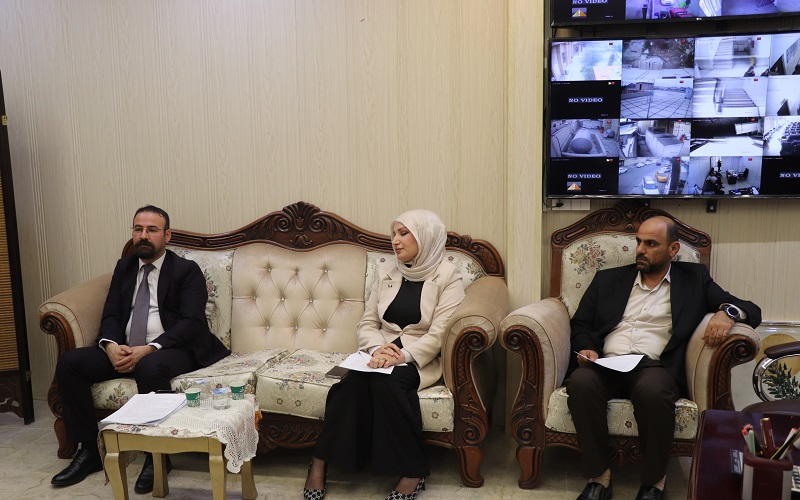
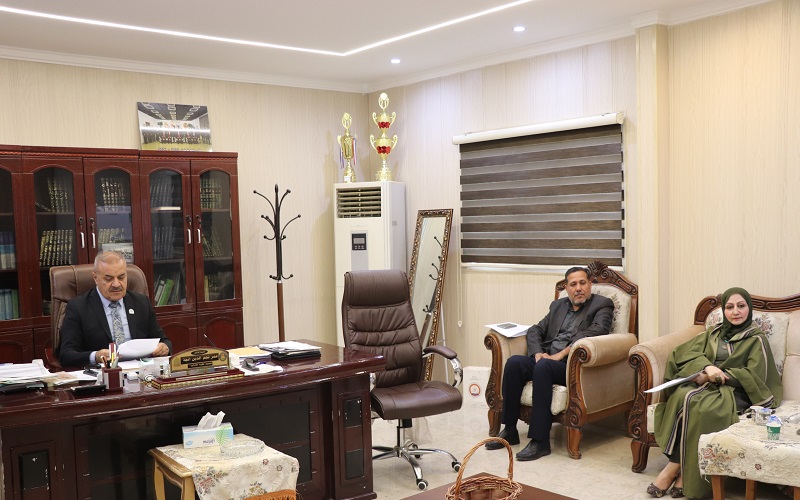
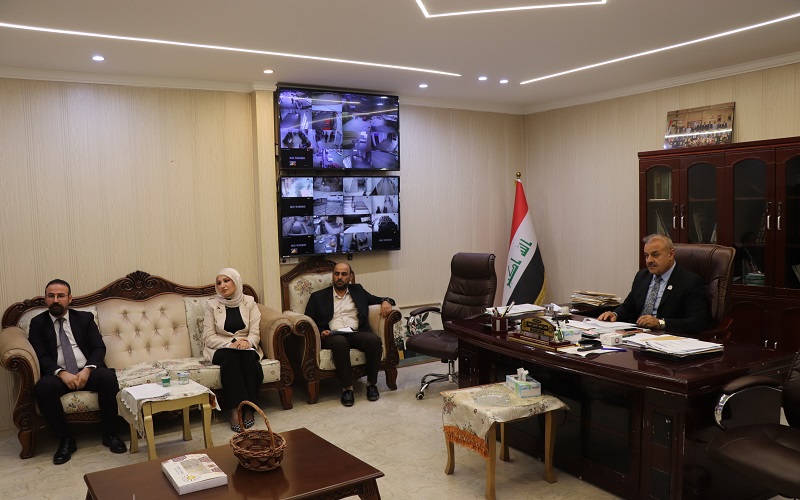
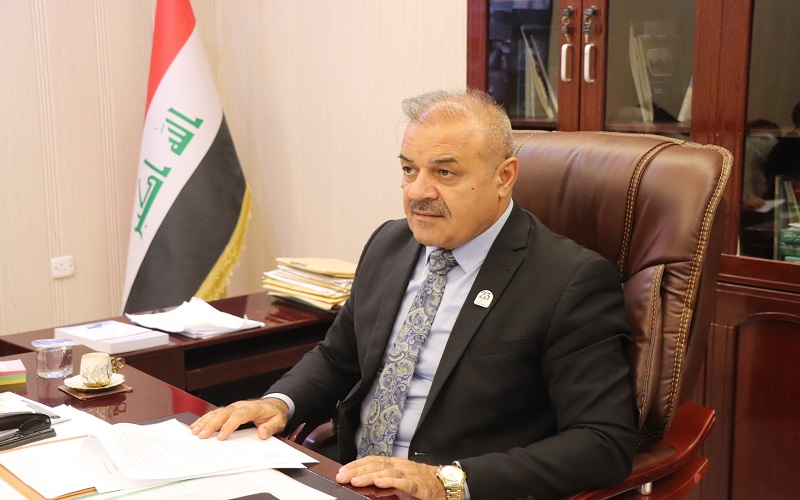
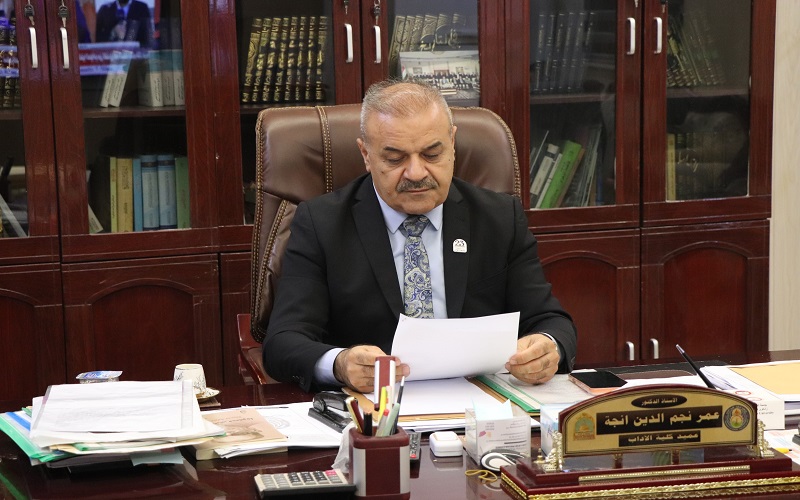
In a step aimed at consolidating the concept of the "Productive College" and bridging the gap between academia and the labor market, the Career Development and Employment Unit at the College of Arts, University of Kirkuk, submitted a comprehensive developmental and strategic proposal to the Dean of the College, Prof. Dr. Omar Najmaddin Inja. The paper, prepared by the Head of the Unit, Dr. Rizgar Jerjis Abdullah, outlines executive action plans and specialized activities with defined timelines designed to empower students both cognitively and professionally.
The proposals encompassed specialized tracks tailored to the various academic departments within the college:
Departments of History, Applied Geography, and Media: The initiative proposed the launch of a youth-oriented tourism and tour-guide mobile application dedicated to documenting Kirkuk’s historical landmarks and cultural heritage using modern visual and media production methods—free from political engagement. It also included establishing an academic training program to prepare and qualify certified tour guides, alongside signing memorandums of understanding (MoUs) with transit applications and private and public sector partners to secure employment opportunities and sponsorships for distinguished students.
Departments of Arabic, English, and Media: The vision focused on delivering professional training in modern "creative education and effective teaching" techniques culminating in accredited certificates. It also proposed forging proactive partnerships with private educational institutions to secure preliminary employment contracts for outstanding students starting from their third academic year, in addition to leveraging the college’s digital media platforms to produce engaging language-focused video content and connecting students with accomplished industry practitioners.
Department of Quranic and Oriental Studies: The proposals highlighted establishing fruitful collaborations with religious endowment directorates (Awqaf) to support undergraduate and postgraduate students. It also recommended securing monthly private-sector financial stipends to cover fundamental academic expenses, thereby boosting student motivation and enrollment. Furthermore, it emphasized coordination with relevant committees on preventing violent extremism through joint awareness programs that foster moderation and intellectually fortify society.
This package of proposals falls within the College of Arts' broader mission to activate the role of its specialized divisions in rendering pioneering community services and equipping graduates with practical skills that position them as top candidates in the local and national labor markets.
 College of Arts - University of Kirkuk