What Does Sustainability Mean?
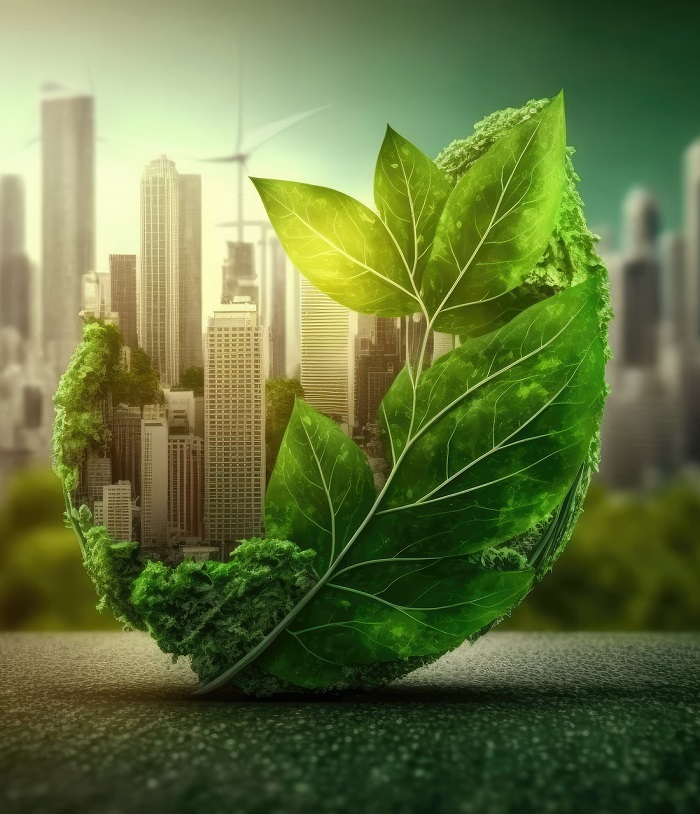
Sustainability is an environmental term that describes how biological systems remain diverse and productive over time. For humans, sustainability is the ability to preserve the quality of life we live in the long term, and this in turn depends on protecting the natural world and using natural resources responsibly.
The term sustainability has become broad in scope and can be applied to almost every aspect of life on Earth, from the local level to the global level and across different periods of time. Healthy wetlands and forests are examples of sustainable biological systems.
Hidden biogeochemical cycles redistribute water, oxygen, nitrogen, and carbon in the living and non-living systems of the world, and they have sustained life for millions of years. However, with the increasing number of humans on this planet, natural ecosystems have declined, and changes in the balance of natural cycles have negatively affected both humans and other living systems.
The Typical Components of the Sustainability Concept
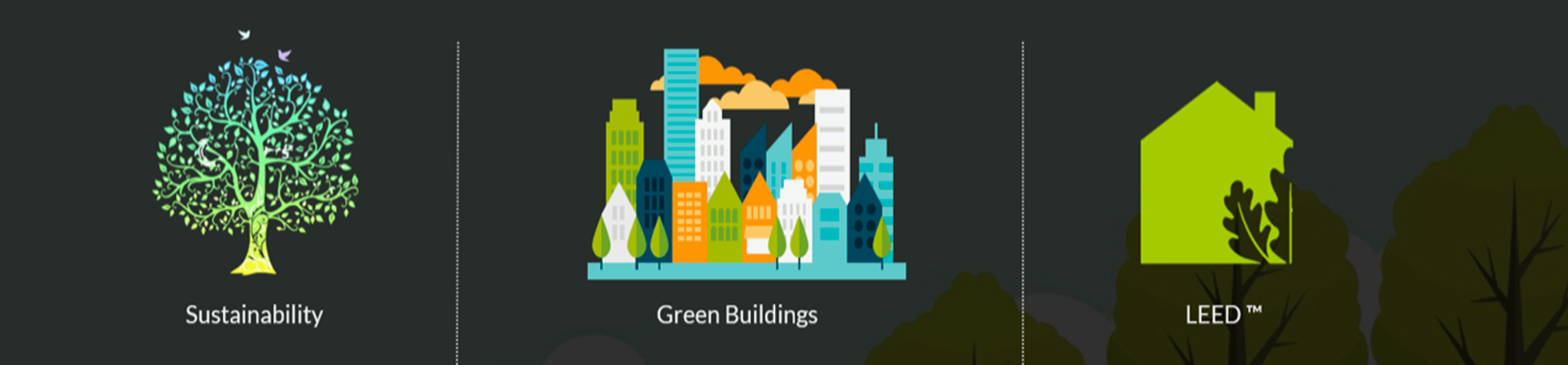
There are many patterns and components related to the concept of sustainability, and these patterns are represented as follows:
Institutional Sustainability
This type is concerned with governmental bodies. It describes government institutions as organizational structures capable of performing their role in order to provide community services that are worthy of people. This pattern is also related to non-governmental institutions and civil society organizations that seek community development while encouraging private sector participation.
Economic Sustainability
This refers to incorporating policies that ensure the continuity of economic activities related to society and that lead to development in agricultural and rural environments. This concept is economically applicable and culturally appropriate.
Environmental Sustainability
This refers to the ability of the environment to continue functioning properly while striving to achieve the least possible degradation in the surrounding environment. This pattern can be achieved when planning the development process so that damage to natural capital is minimized.
and Economic Growth
Clean Energy
and Well-being
Education
for the Goals
Action
and Communities
and Infrastructure